
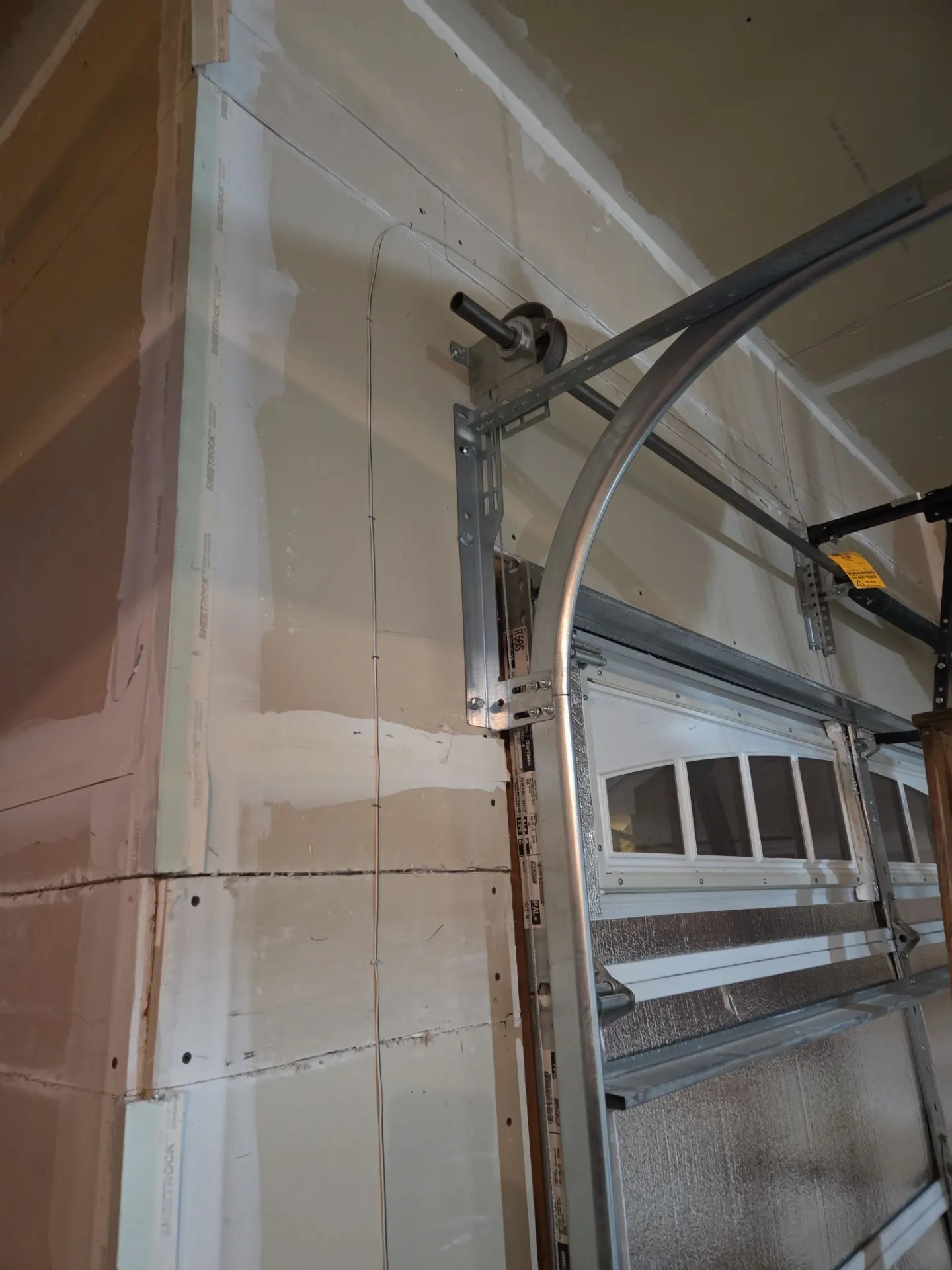
Attached Garages Leak Into the House
An uninsulated attached garage is not a neutral space; it is a cold zone pressed against your kitchen, mudroom, and the bedrooms above it. The shared wall and the floor over the garage bleed heat all winter, which is why rooms above garages are famously the coldest in the house. Insulating the garage walls and ceiling, and especially the assembly between garage and living space, quiets that whole problem. Bonus effects: the car starts warmer, the floor above stops being cold underfoot, and the garage itself becomes practical to heat when you want to work out there.
Detached Shops and Third Stalls
A detached garage or third stall only earns its keep year-round if you can hold temperature in it without burning money. For a shop you plan to heat regularly, spray foam on the walls and ceiling gives you air sealing and R-value in one pass, so a small heater can actually keep up. For a garage that just needs to stay workable and protect what is inside, fiberglass batts ahead of drywall do the job economically. We install both and will tell you plainly which one your building and your plans call for.
- Spray foam for regularly heated shops and workspaces
- Fiberglass batts for budget-friendly builds ahead of drywall
- Ceiling and attic treatment matched to how the space gets used
Pole Buildings Are Our Home Turf
Wright County and the St. Cloud corridor are full of pole buildings, and closed-cell spray foam is the material they were waiting for. Foam bonds directly to the steel skin and posts, which solves the condensation problem that leaves bare-steel buildings dripping on equipment every temperature swing. It also stiffens the panels and seals the countless small gaps where steel meets framing. A foamed pole barn holds heat with a modest furnace, stays dry inside, and turns into genuine shop space instead of cold storage. These buildings are a core part of our week, not an occasional oddity.
Why homeowners pick us for garage
- Warmer rooms above and beside attached garages
- Makes shops and third stalls affordable to heat
- Stops condensation drip in steel pole buildings
- Foam or fiberglass, matched to the building and budget
- Quieter workspace, less road and neighbor noise
- Protects vehicles, tools, and stored gear from temperature swings
How the job runs
- Step 1 of 4
Site visit
We look at the structure, how you plan to use and heat it, and where the building currently loses air, then recommend foam, fiberglass, or a combination.
- Step 2 of 4
Prep
Contents get protected or cleared from the work zone, surfaces get masked, and any gaps or penetrations that need sealing first get handled.
- Step 3 of 4
Install
Spray foam goes on in controlled lifts, or batts get cut and fitted bay by bay, with the garage-to-house assembly getting particular attention on attached garages.
- Step 4 of 4
Wrap-up
We trim, verify depth and coverage, clean the slab, and walk the finished job with you before we load the rig.
What does garage insulation cost in the Twin Cities?
Garage insulation pricing depends on the size of the building, the material (spray foam or fiberglass), and how much of it we are treating: walls only, walls and ceiling, or a full shell on a pole building. Attached garages sharing walls with living space are smaller jobs than a full detached shop. Steel pole buildings price by sprayed area and foam depth. A quick site visit gets you a firm number for your actual building.
Fair questions, straight answers
Should I use spray foam or fiberglass in my garage?+
It depends on how you will use the space. If you plan to heat the garage regularly as a shop, spray foam is worth it because it air-seals and insulates at once, so the heat you pay for stays put. For a garage that just needs basic thermal protection before drywall, fiberglass batts deliver solid value.
Can you insulate a pole barn or steel shop?+
Yes, pole buildings are one of our most common jobs in Wright County. Closed-cell spray foam bonds straight to the steel panels, stops the condensation that drips on equipment, stiffens the skin, and seals the gaps steel buildings are full of. It turns a cold storage shed into a shop you can heat and work in all winter.
Will insulating my attached garage make the rooms above it warmer?+
Yes, and it is often the main reason people call. Bedrooms and bonus rooms over garages run cold because the floor below them sits on an unheated, leaky space. Insulating the garage ceiling and air-sealing the assembly between garage and house cuts that heat loss directly, and the difference upstairs is noticeable the same season.
Do I need to heat my garage for insulation to be worth it?+
No. Even without a heater, an insulated garage stays far warmer than outside air, which means easier car starts, no frozen items in storage, and less cold radiating into the house through shared walls. If you add heat later, the insulation is already doing the hard part, and a small unit will be enough.